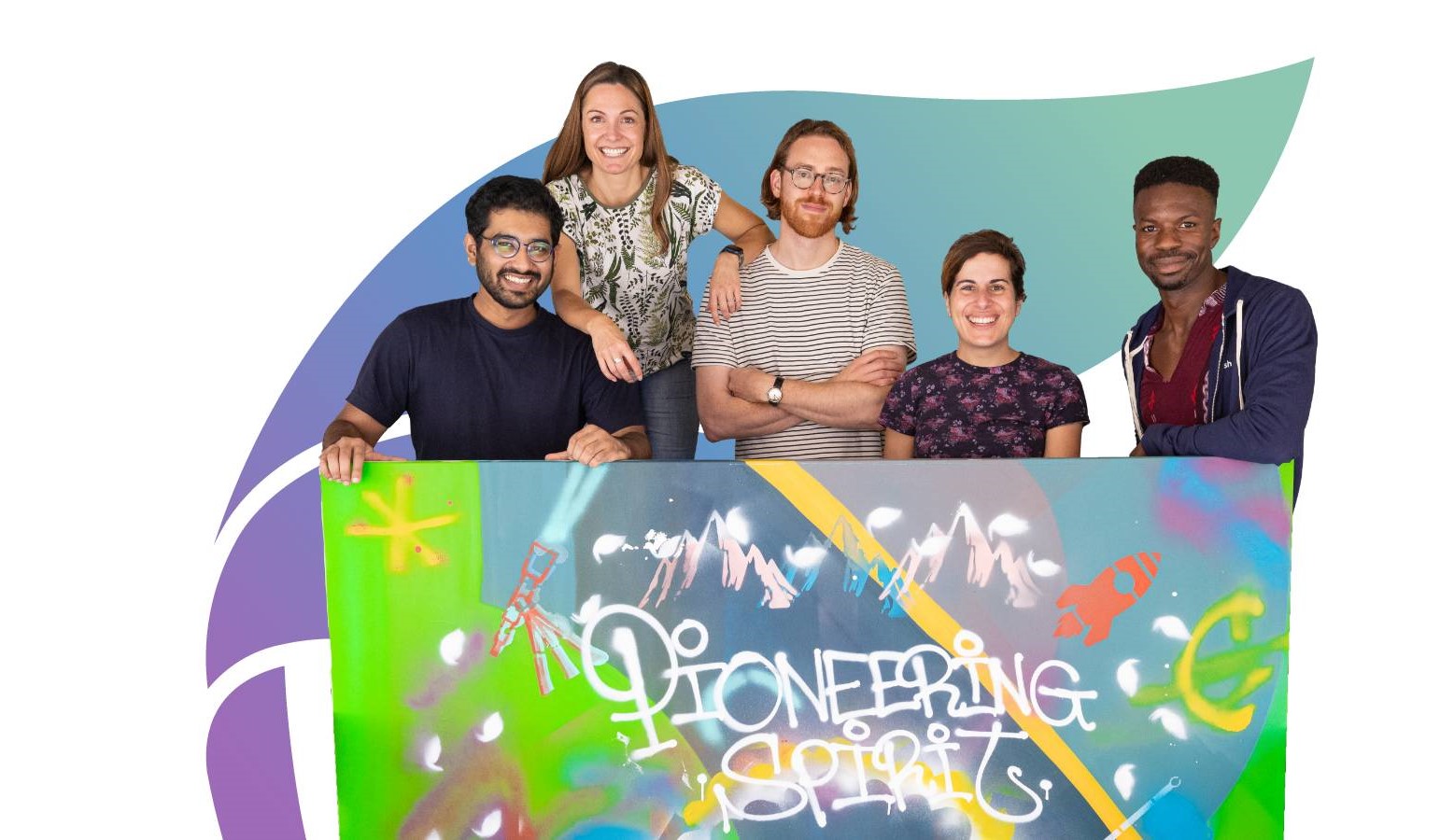
We’re looking for a creative, experienced software engineer based in London to join our fintech startup at the ground floor. If you are excited about independence, impact, and contributing to the battle against scams and financial crime, read on to learn more ⬇️
About the role 🎭
Banks approve or reject payments with almost no context. We're building the intelligence layer that changes that — running real-time investigations on payments before they clear. The technical challenge is to orchestrate multi-source evidence gathering, synthesize unstructured data with AI agents, and return a nuanced evaluation in the shortest possible time and with the greatest possible reliability.
What you’ll work on
Take ownership of our front-end architecture—you'll be our first dedicated front-end hire, with room to establish patterns and raise the barBuild and evolve the APIs and UIs that banks use to integrate our investigation engine into their payment flowsDesign the orchestration layer that coordinates evidence gathering across heterogeneous sources (some structured, most not)Ship reliable code with strong emphasis on usability, security, and observabilityMake build/buy and now/later decisions about a rapidly evolving codebase. Clearly communicate trade-offs and own the consequencesAI: yes, experimentation, endlessly. Experiment with and deploy specialised AI agents — we’re actively shipping LLM-powered investigation flows, not just prototyping.Team: Participate in planning based on customer feedback and engage in effective code reviews (on both sides of the table!)This is not a feature factory role — engineers here drive product decisions and own systems end-to-end: design, build, ship, observe, and iterate.
Why this is hard
Most payments are legitimate and should flow without friction. But some are scams, and the evidence that distinguishes them is messy — unstructured, scattered across sources, rarely behind clean APIs. We need to make that judgment fast enough that good payments aren't delayed, while applying progressive friction when risk warrants it. Banks need to understand our reasoning, not just our scores. And we're critical infrastructure: when we're wrong or unavailable, real people lose money or can't move it.
Our stack today:
Backend: Python, KotlinFrontend: TypeScript, ReactInfra: Cloud-native, event-driven services, async workflows (GCP managed using Terraform)Data: SQL-first, correctness > dashboardsBut honestly, if you’ve built fault-tolerant distributed systems before, the specific tools matter less than your judgement on when to reach for them.
About YOU 🦄
Here are some thoughts on who would be successful in the role. We know we won’t be able to assess these from your CV, but our interview process will be designed around them:
Product ownership: you ask “who is the user, what’s the job-to-be-done, what’s the smallest useful thing we can ship?” and you don’t wait for perfect specs and instead create solutions & communicate tradeoffs.Systems thinkings: You understand how to build fault-tolerant, large-scale distributed systems. You notice second-order effects and design for the “messy reality” knowing when to move fast and when to slow down.Collaboration: You’re direct, pro-active, generous to others, and low ego. No bug is too small if an outcome or colleague depends on it!Some hard skills we’d value
Architecture: Proven track record architecting and maintaining fault-tolerant distributed systems.Data: Ability to develop and manage well-functioning databases. Experience working in sensitive data contexts and good understanding of data governance practices and privacy concerns.Years of experience: 5 or more. We’re looking for professionals who can structure their own work and be a strong technical voice for the team while getting their hands dirty (we’re not overly strict on exact number of years!).Stage of experience: We value people who have worked in early stage companies and demonstrate fluency with ongoing speed: precision tradeoffs and iterativeness.Industry: Prior experience in fintech is a huge plus.Not got 100% of qualifications? Research shows that women and under-represented minorities are less likely to apply for a role if they do not have 100% of the requirements. We’re paying attention to this, so please feel free to apply regardless (<2mins) or send us a note on info@tunicpay.com if you’d like to discuss if there’s a fit.
Last but not least, the interview process ⏳
We are seeking to make our interview as experiential as possible in order for both sides to get the most signal on what it would be like to work together.
Initial application (<2 mins): Submit your LinkedIn (or CV) in the application link below (we don’t believe in cover letters or unnecessary work here!) 👇Intro call (30 mins): Get to know each other a little and learn more about who we are and what we’re building.Take-home exercise & tech screen (60 mins): We’ll send you a problem spec (3-4 hours of effort) about a week before the interview. On the call, we talk through your solution and discuss design decisions, trade-offs, and details of the implementation to get a sense of who you are as an engineer.“On-site” (3 hours, can be done remotely): Deep dive interviews with Cyrus and the team: we gather around a whiteboard and ask you to solve a business problem rooted in a real-world scenario — designing a system and presenting your ideas to the team (if needed, we will share materials ahead-of-time to help you prepare). Plus some time with the co-founders to better understand the team and the business — this is as much for you as it is for us!References and offer: Ideally over dinner!